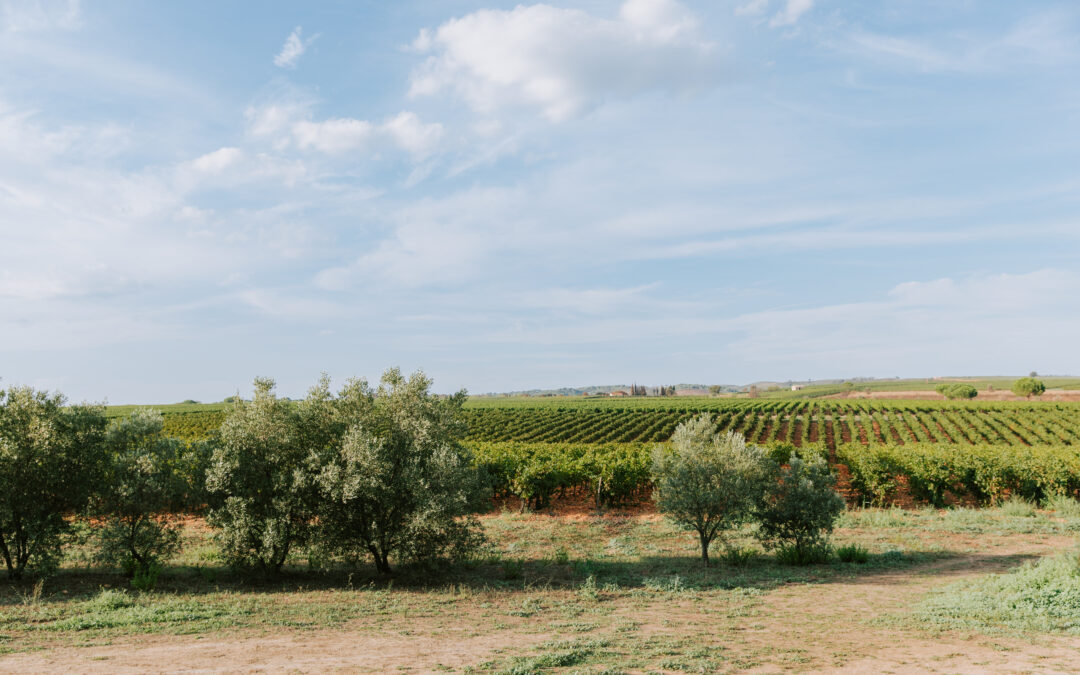

Throughout the year, the vine lives to the rhythm of the seasons: it awakens, blossoms, ripens, and then falls asleep, following an eternal cycle in which nature shapes the promise of each new harvest.
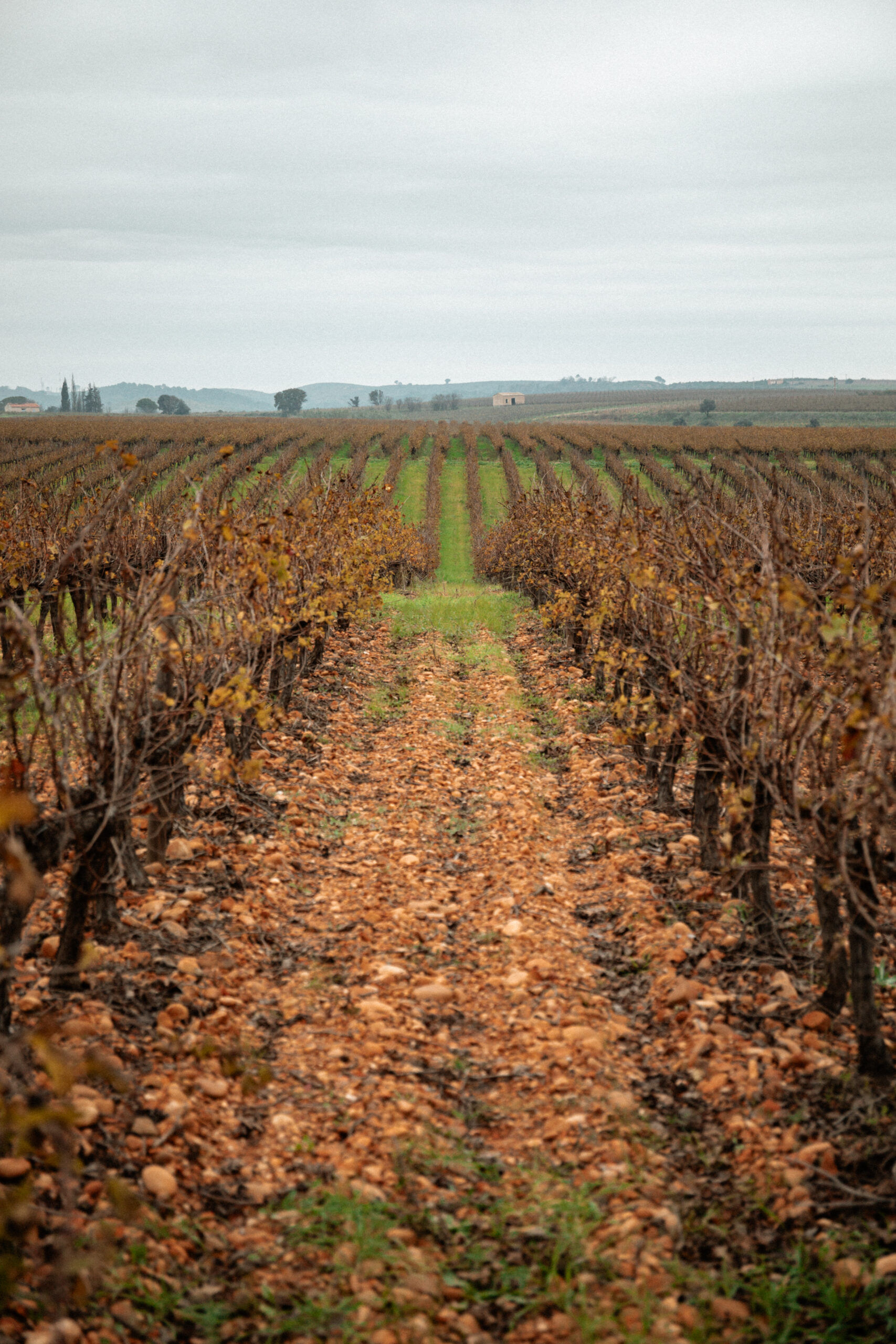
❄️ Winter (December – February) – The Vine’s Dormant Season

Avec le retourIn winter, the vine enters dormancy and rests. The leaves have fallen, and the sap has returned to the roots.

This is when we carry out winter pruning, an essential step that involves cutting back the shoots from the previous year to prepare the vine for the future harvest. We also take advantage of this season to repair the trellising system (the wires and posts that support the vines), work the soil (to loosen and aerate it), and finally prepare the plots for replanting (replacing vines that have deteriorated over time).

🌱 Spring (March – May) – The Return of Vegetative Growth

With the return of warmer weather and rising temperatures, the vine begins to “weep”, meaning that sap rises and flows from the pruning wounds left on the vine.

Shortly afterwards comes budburst, when the buds open. They unfold to reveal young green shoots, which will eventually develop into leaves and grape clusters.

Then leaf growth begins: the leaves develop, the shoots grow rapidly, and the vine enters a period of vigorous growth.

Spring is also the time when we protect our vineyard by spraying plant-based herbal teas, helping to stimulate the vine’s natural defenses.
☀️ Summer (June – August) – Growth and Ripening

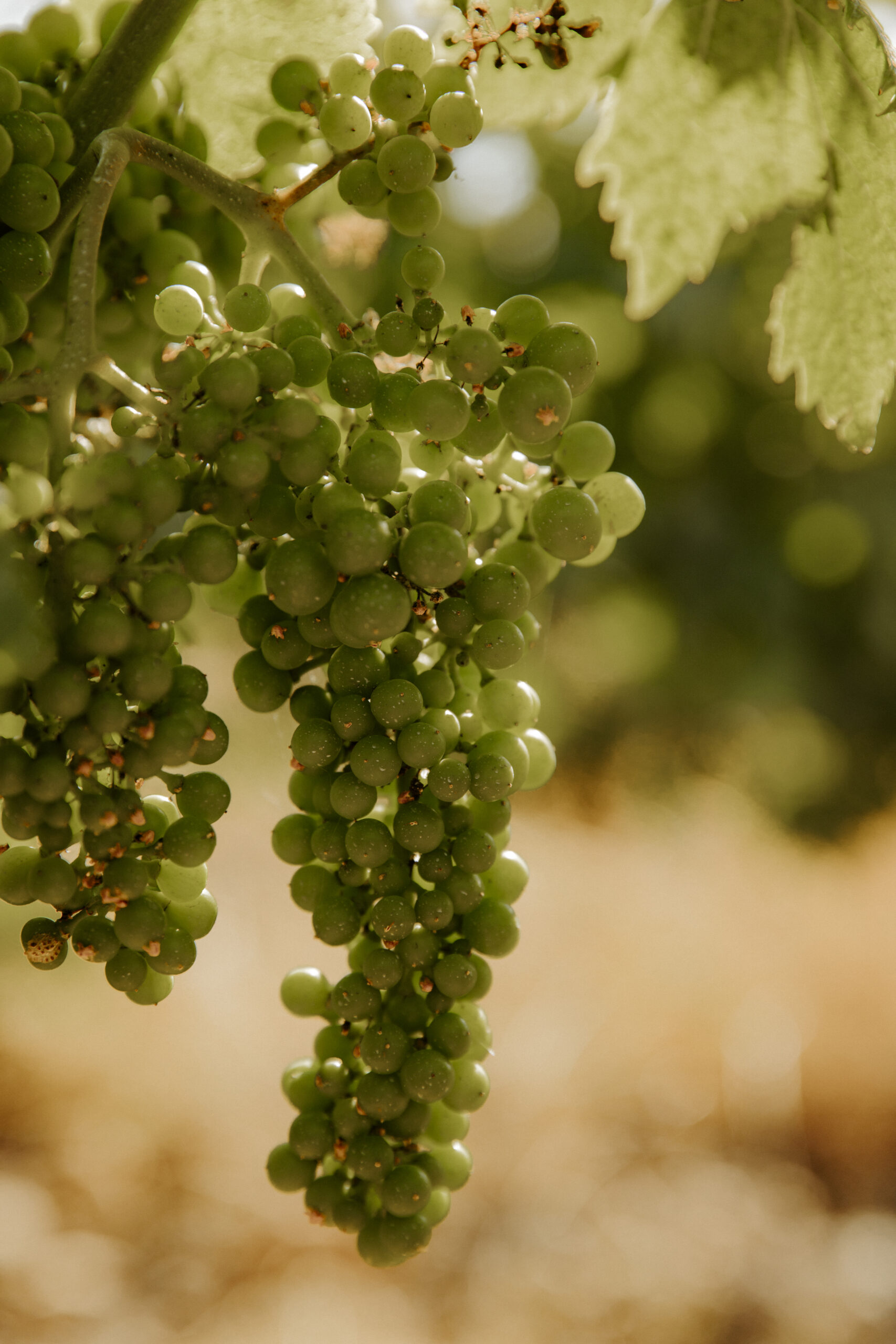
At the beginning of summer, the vines flower. Small white flowers appear, marking the beginning of the formation of the future grape clusters.

After flowering comes fruit set, when the fertilized flowers develop into small green berries. These gradually grow until they form compact clusters, a stage known as bunch closure.

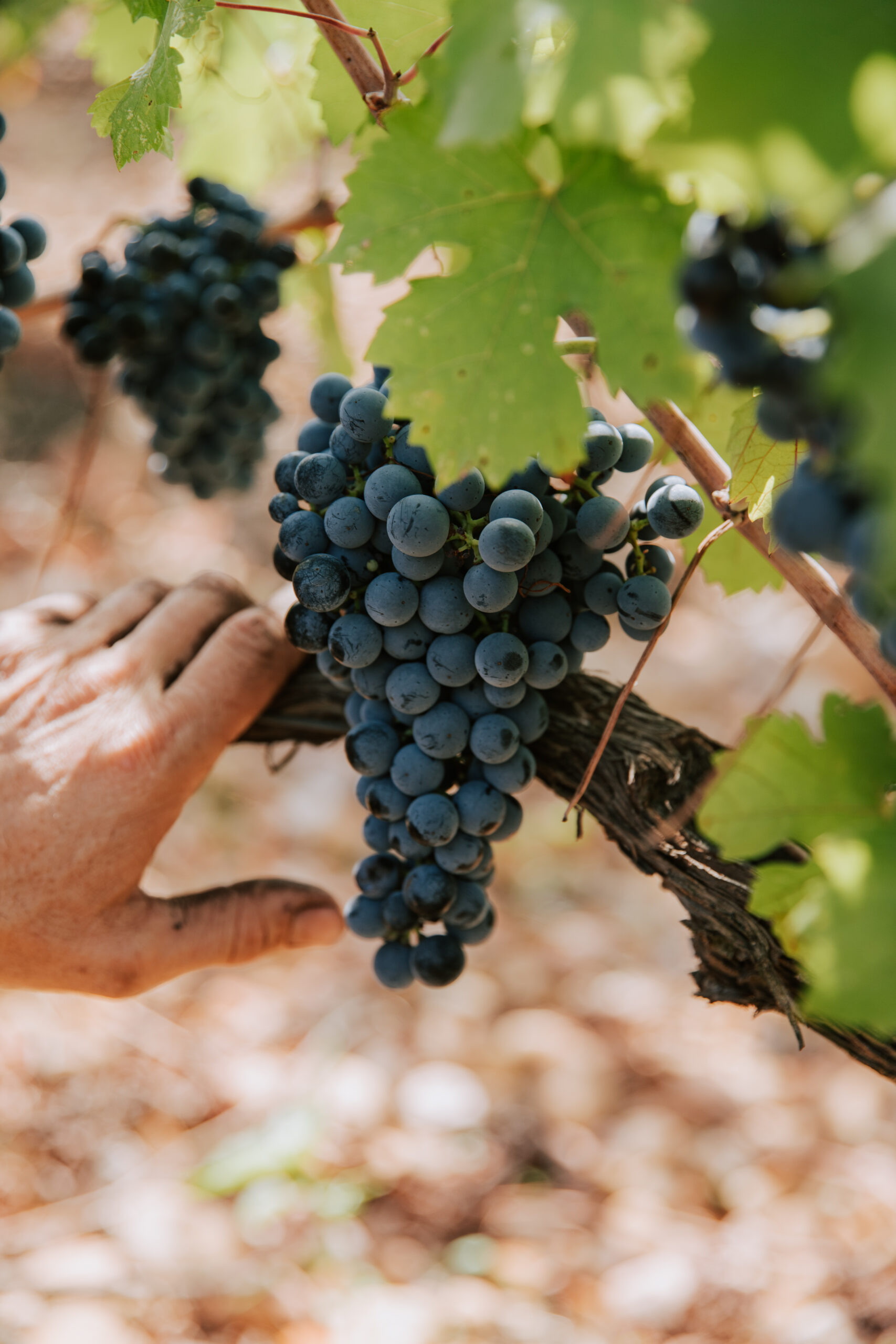
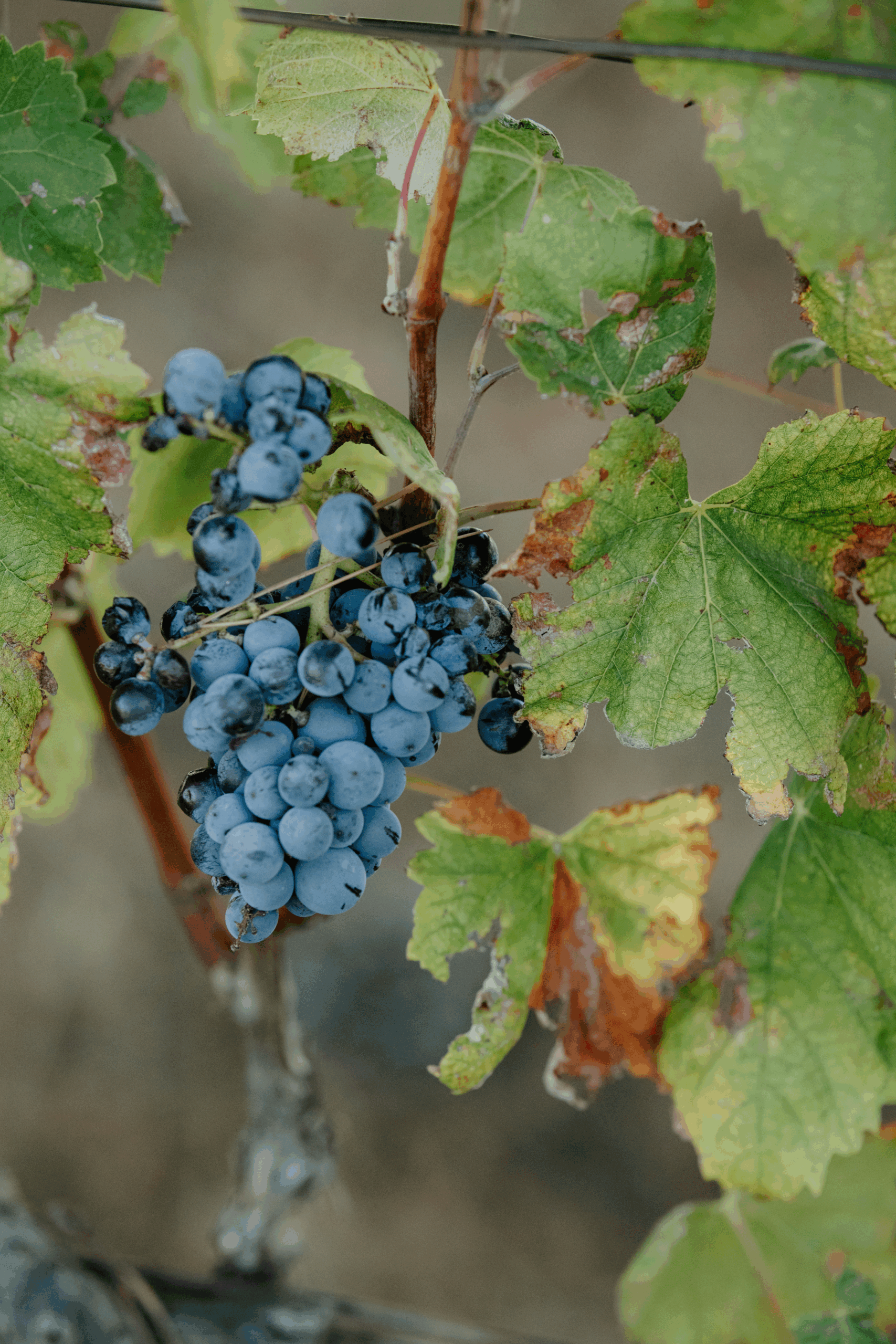
Next comes veraison. The grapes begin to change color and accumulate sugar while gradually losing acidity.

In August, the shoots that are still green begin to harden and turn brown, becoming canes capable of withstanding the winter. This process is known as lignification.

Finally, the grapes complete their ripening. They reach their final size, develop their aromas, and prepare to be harvested.

In some regions, like ours, this has also marked the beginning of the harvest in recent years.

🍇 Autumn (September – November) – Harvest and Dormancy

Autumn generally marks the beginning of the grape harvest, although the timing can vary increasingly depending on the region, grape variety, and climatic conditions.

The grape clusters are harvested once they reach maturity, and winemaking then begins. During this stage, the grape juice evolves and transforms, giving birth to wine.

After this intense period, the vine prepares for winter. Its leaves turn yellow, then red, before eventually falling. The sap returns to the roots, and the vine once again enters its resting period, or dormancy.