 Instagram
 Facebook
Organic Viticulture in the World of Wine
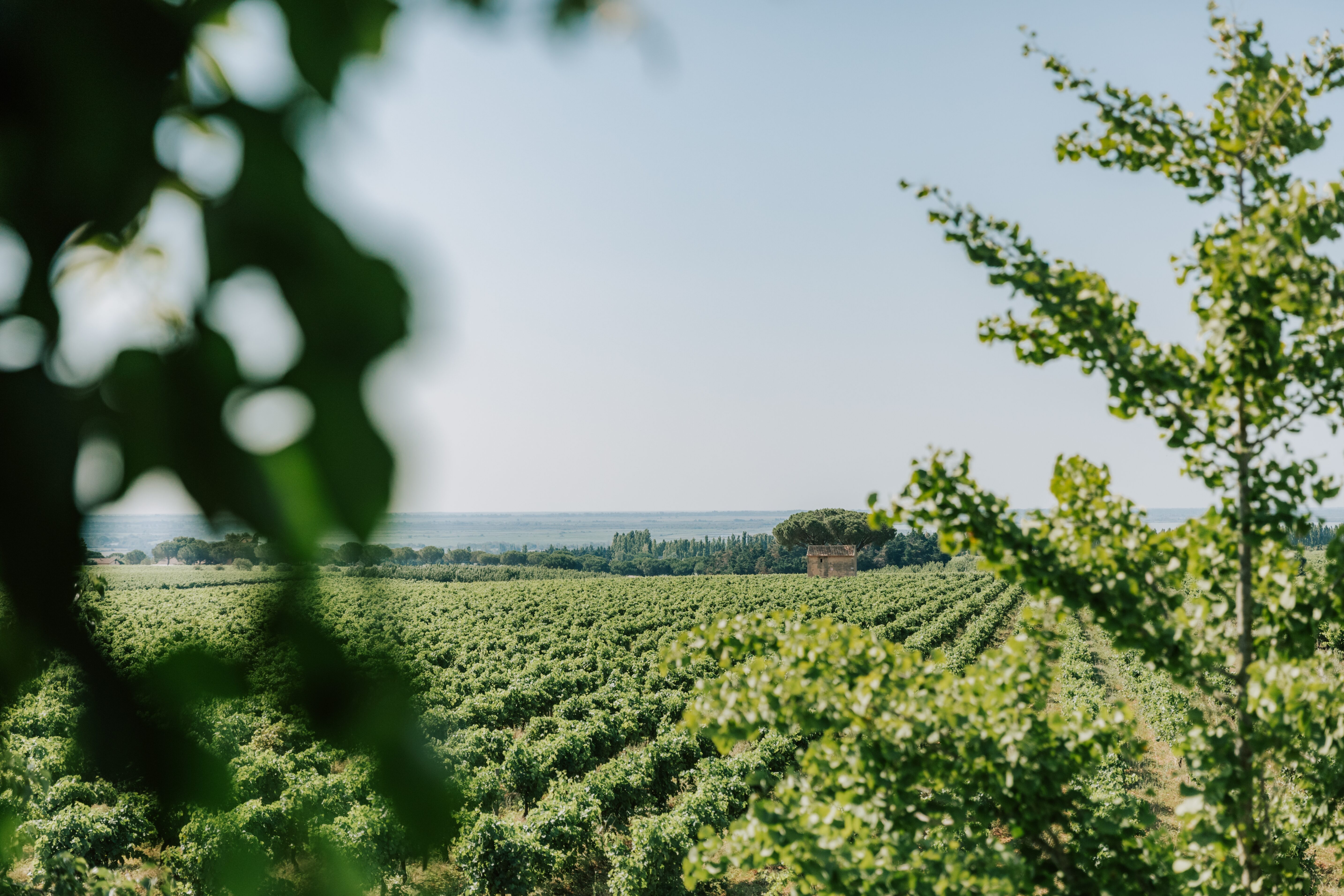
Organic wine is no longer just a trend. It has become a conscious choice that respects nature and the terroir, and this is the approach embraced by Château Vessière.
Between 2007 and 2015, the area of certified organic vineyards increased from 14,600 to 57,600 hectares, according to a report by FranceAgriMer.
This growth can be explained in particular by the strong increase in organic wine consumption, which has grown by around 20% per year since 2010.
Indeed, this certification requires compliance with strict standards and regular inspections, ensuring consumers a controlled and transparent production process.
The certification must be issued by an official and independent certification body, such as Ecocert or Bureau Veritas, under the authority of the INAO (French National Institute of Origin and Quality).
It is only granted after a three-year conversion period, during which the winemaker must already produce wine according to organic farming regulations, without yet being officially certified organic.
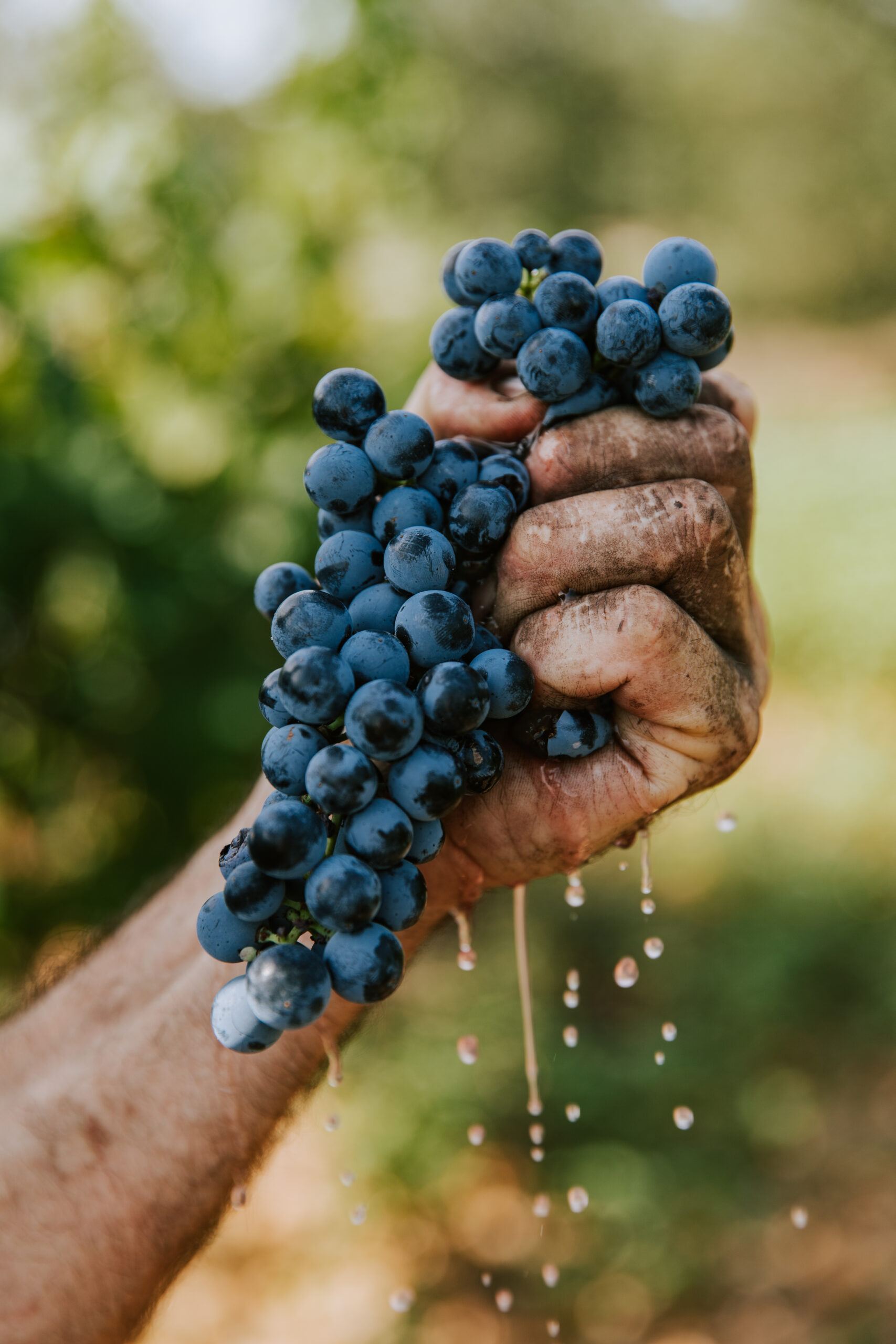
How Is Organic Wine Produced?
Organic farming regulations set out strict rules that apply not only to vine cultivation, but also to the winemaking process. Here are a few examples:
The grapes must be grown without pesticides, herbicides, chemical fertilizers, or GMOs, promoting environmentally responsible soil management that helps preserve insects, microorganisms, and local wildlife.
In the vineyard, the use of synthetic chemical products is prohibited, contributing to a more environmentally friendly and regulated working environment for the vineyard team.
Organic winemaking allows certain techniques and naturally derived substances, always with respect for the environment. For example, the maximum permitted sulfite levels are 0.1 g/L for red wines and 0.15 g/L for white wines, lower than the levels permitted in conventional winemaking.
The use of sulfur and copper in the vineyard is also limited.
Irrigation is not prohibited, but it must be carefully managed in order to preserve water resources as effectively as possible.
Worth Noting
Organic farming does not mean biodynamic farming. The two approaches are closely related, but they are different. Organic farming follows the official regulations governing organic agriculture, while biodynamic farming goes further in its philosophy and practices.
At Château Vessière, we believe that the vine should be guided rather than corrected. Organic farming is therefore part of an approach based on balance and harmony with the soil, the climate, and the plant.
Beyond simply producing wine, our commitment is to preserve and pass on a living, rich, and fertile terroir, so that future generations can, in turn, cultivate and care for these lands.